
Feeling stuck? Join our free community!
Stephanie Wright
Friday, November 13, 2026
You don't need a second kitchen to cook safely for celiac. These are the practical cross-contact fixes that actually work — most cost nothing.
This post may contain affiliate links. Read my disclosure policy.
The words “cross-contact” scared me more than any ingredient list in my first years. It sounded like I’d need a second kitchen, a second set of everything, and a hazmat suit for Thanksgiving.
Here’s what 24 years has taught me: you don’t need all new equipment. You need a few smart habits, in the right order. Most of them cost nothing.
Cook the gluten-free food first
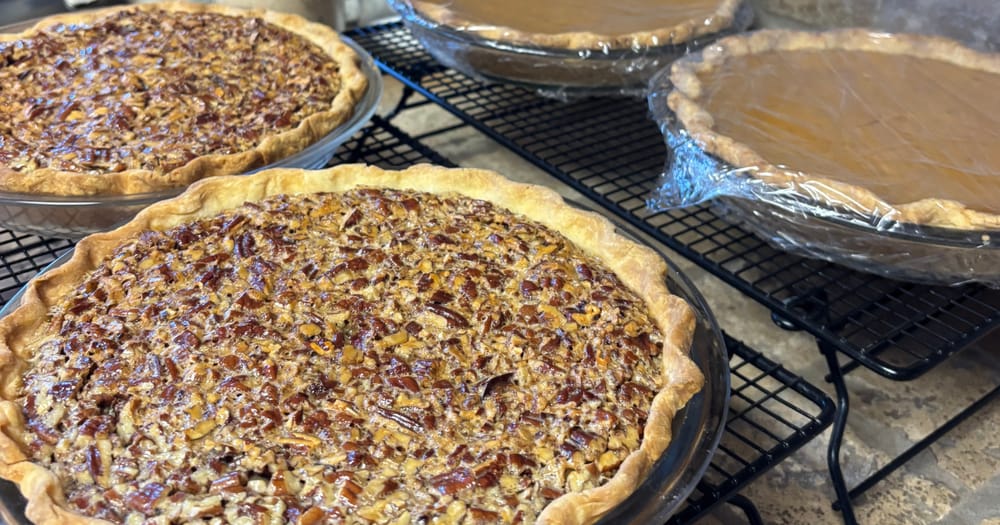
This is the single highest-impact habit you can build. Prepare the gluten-free dishes before the flour comes out — while the counters, tools, and air are at their cleanest. On Thanksgiving, that means the gluten-free gravy, stuffing, and pies get made before anyone opens the regular flour. Once the wheat flour is flying, everything gets harder.
Wash shared pots, pans, and tools well
Here’s the reassuring part: a thorough wash with hot, soapy water and a good scrub is enough for stainless steel pots, pans, baking dishes, and utensils. What you’re really removing is the visible crumb and the sticky residue — not performing surgery. Wash it like you mean it, and it’s fine to share.
Line your baking sheets with foil
Baking sheets are the exception to the “just wash it” rule. Old, scratched sheets and pizza stones hold onto residue in ways soap can’t fully fix. Instead of replacing them, line them with fresh foil or parchment every time. Cheap, easy, done.
Give the colander and cutting board extra attention
Colanders trap starchy residue in all those little holes — if yours has cooked a lot of regular pasta, it’s one of the few items worth having a dedicated gluten-free version of. Same story with wooden cutting boards: wood is porous. Use a plastic or glass board for your gluten-free prep, or keep one board that’s only ever touched gluten-free food.
Solve the toaster problem
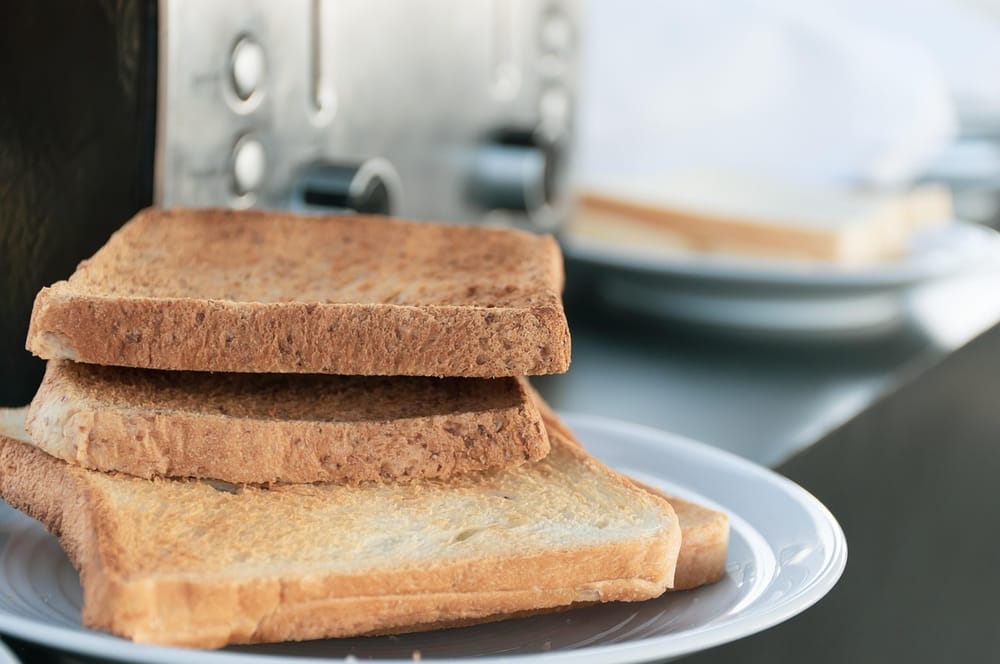
A shared toaster is one of the riskiest spots in any kitchen — crumbs everywhere, and no real way to clean it. Two fixes that actually work: toaster bags, which let you toast gluten-free bread and rolls in a shared toaster safely, or a small inexpensive toaster that’s yours alone. Either one solves it completely.
Protect the condiments
The butter dish with breadcrumbs in it. The mayo jar with the crumby knife marks. Shared condiments are a quiet, everyday source of cross-contact. The fixes are simple: squeeze bottles for mayo and mustard, a house rule of “scoop with a clean knife before you spread — never double-dip,” and a separate little dish of butter for the gluten-free end of the table.
On the day: wash hands, watch the serving spoons
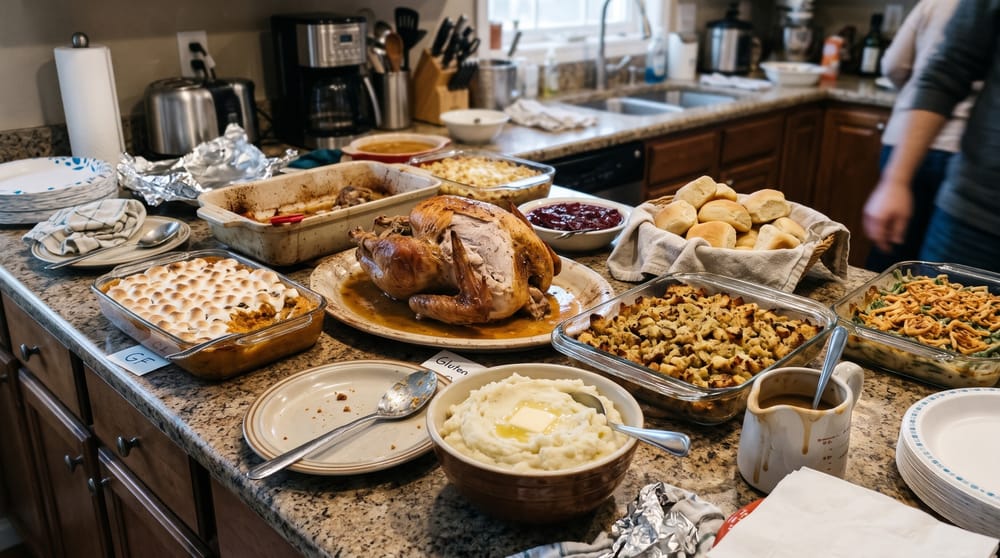
When the meal is served, the risks move from the kitchen to the table. Wash hands before everyone digs in, give every single dish its own serving spoon, and keep an eye on the gravy ladle — it travels to more plates than anything else. A friendly “let’s keep each spoon with its dish!” goes a long way.
Your practical takeaway
You don’t need a new kitchen. Cook gluten-free first, wash shared tools well, line your pans with foil, solve the toaster, and protect the condiments. Five habits, almost zero cost — and a Thanksgiving table you can actually relax around.

About the author
Stephanie Wright
"I am a 24 year Celiac and busy mom of four. I help people who are newly diagnosed — or just plain struggling — learn to eat gluten-free safely, and actually enjoy food again. Real food, calm guidance, no panic."
See other posts like this one:
Thursday, November 12, 2026
Hosting a gluten-free Thanksgiving where no one feels like they got the “special” plate
Thursday, November 12, 2026
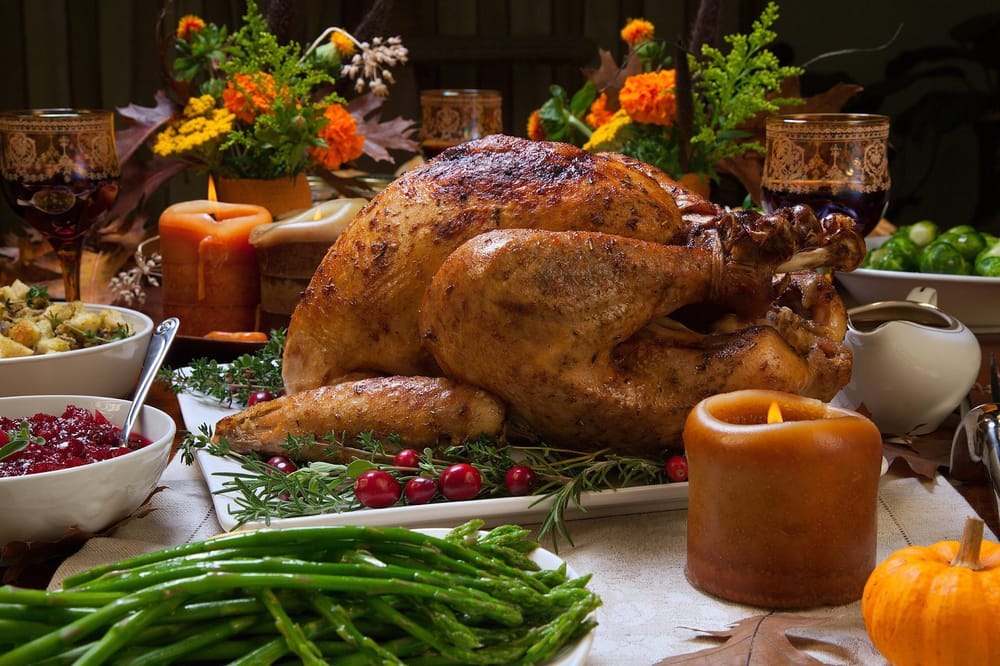
First Gluten-Free Thanksgiving? Start Here — The 5 Things I Wish I'd Known 24 Years Ago
Stress Free Gluten Free
Real food. Real help. Easy, with no added stress.
*The information on this site and its affiliated social media accounts is for general education and lifestyle support only, and is not medical advice. Always talk to your own physician about your specific health questions. I'm here to help with the everyday side of gluten-free living — your kitchen, eating out, holidays, and all the real-life situations in between.